EYFS
Intent
Here at Devonshire Primary Academy we believe that all children deserve an education rich in wonder and memorable experiences, alongside the purposeful acquisition of skills and knowledge. We believe that an education that does all of this gives children the best chance to become well-rounded, happy individuals, ready to succeed in an ever-changing world. Our ethos is that no child is left behind and, in the EYFS, experienced early years’ practitioners work tirelessly to identify and address barriers to learning.
Our Preschool and Reception classes recognise the importance of giving our children the best possible start to their education by planning and implementing teaching and learning opportunities that supports them in reaching their full potential. We know that our children enter Preschool and Reception classes with varied life experiences and we plan teaching and learning opportunities accordingly to address this.
We acknowledge that we serve a disadvantaged community; therefore, it is imperative that our early years offer is exceptional to address the learning gap that children often have on entry to our early years.
- When they start school, children from disadvantaged backgrounds are, on average, 4 months behind their peers.
- Children that have lived through difficult experiences can begin to grow stronger when they experience high-quality early education and care.
- The disadvantage gap is particularly wide in language. At age five, there is a seventeen-month gap between the vocabulary of the most and least disadvantaged children.
Our high-quality curriculum plays a positive role in helping children to become more resilient. A child’s resilience is the extent to which they can overcome earlier, negative experiences. A key factor which helps children to overcome adversity is having at least one warm, positive and nurturing relationship. This is why, at Devonshire Primary Academy, we have a high staff to child ratio, ensuring every child forms a strong relationship with a key person and wider relationships with other adults and children.
The staff in early years have undertaken training on ‘Professional Love’, because showing children we care and are available for their needs is a key component of building a secure attachment.
To promote inclusivity, a high percentage of the EYFS staff team are Makaton trained. Almost everything we do requires communication and being able to communicate through sign can remove barriers that some children would otherwise encounter.
Greg Bottrill’s philosophy of enabling children to be at the centre of their own development and learning is something that we feel passionate about. We strive to create a balance between direct teaching, adult guided exploration and independent exploration.
Content
Our curriculum offer meets The Statutory Framework for the Early Years Foundation Stage and is guided by the four key principles that shape our practice. These are:
- every child is a unique child, who is constantly learning and can be resilient, capable, confident and self-assured;
- children learn to be strong and independent through positive relationships;
- children learn and develop well in enabling environments with teaching and support from adults, who respond to their individual interests and needs and help them to build their learning over time. Children benefit from a strong partnership between practitioners and parents and/or carers; and
- the importance of learning and development. Children develop and learn at different rates. The framework covers the education and care of all children in early years provision, including children with special educational needs and disabilities (SEND).
We believe in a consistent approach where each and every practitioner enjoys spending time with the children in their care. A close partnership with parents ensures we work together to provide the very best care for our youngest children.
There are seven areas of learning and development that must shape educational programmes in early years settings. All areas of learning and development are important and inter-connected. Three areas are particularly important for building a foundation for igniting children’s curiosity and enthusiasm for learning, forming relationships and thriving. These are the prime areas:
- communication and language
- physical development
- personal, social and emotional development
Providers must also support children in four specific areas, through which the three prime areas are strengthened and applied. The specific areas are:
- literacy
- mathematics
- understanding the world
- expressive arts and design
We have used a blended approach to build and develop our bespoke Devonshire Curriculum. This has been based on reflective practice and research and knowing how our children learn and retain knowledge.
Our Devonshire 'Learning Ladders' skills-based landscape curriculum has been carefully sequenced from when children start preschool, through to the end of Reception. This ensures a sequential and ambitious curriculum which considers our school demographic. These ladders focus on the skills that we want children to master, and our learning landscape is planned so that the skills can be:
- Introduced
- Practiced
- Repeated
- Embedded
While the learning ladders provide us with a focus for our learning landscape, we have 3 other elements to the curriculum. These are:
- FFT SFA validated phonic scheme
- Maths Mastery [NCETM]
- Success for All knowledge corners
Success for All is a programme that develops communication, language and social skills and it works alongside the FFT SFA validated phonic scheme and our Maths Mastery approach.
In preschool, 'Curiosity Corner' provides the structure in which young children thrive. The Corners introduce children to a wide range of explicitly taught concepts and linked vocabulary which progress into the Reception curriculum.
In Reception, the Corners' introduce a wide range of engaging, exciting concepts which link through to our Year 1 curriculum offer and are introduced in small Let’s Get Together group time and developed through the landscape. As a result of this, children have the knowledge and vocabulary essential for a successful transition into the Year 1. The whole school curriculum has been designed from pre-school upwards enabling us to build on the strong foundations of EYFS as the children move through school.
Implementation
We recognise that all children are different and therefore, a variety of pedagogical approaches are needed. These include:
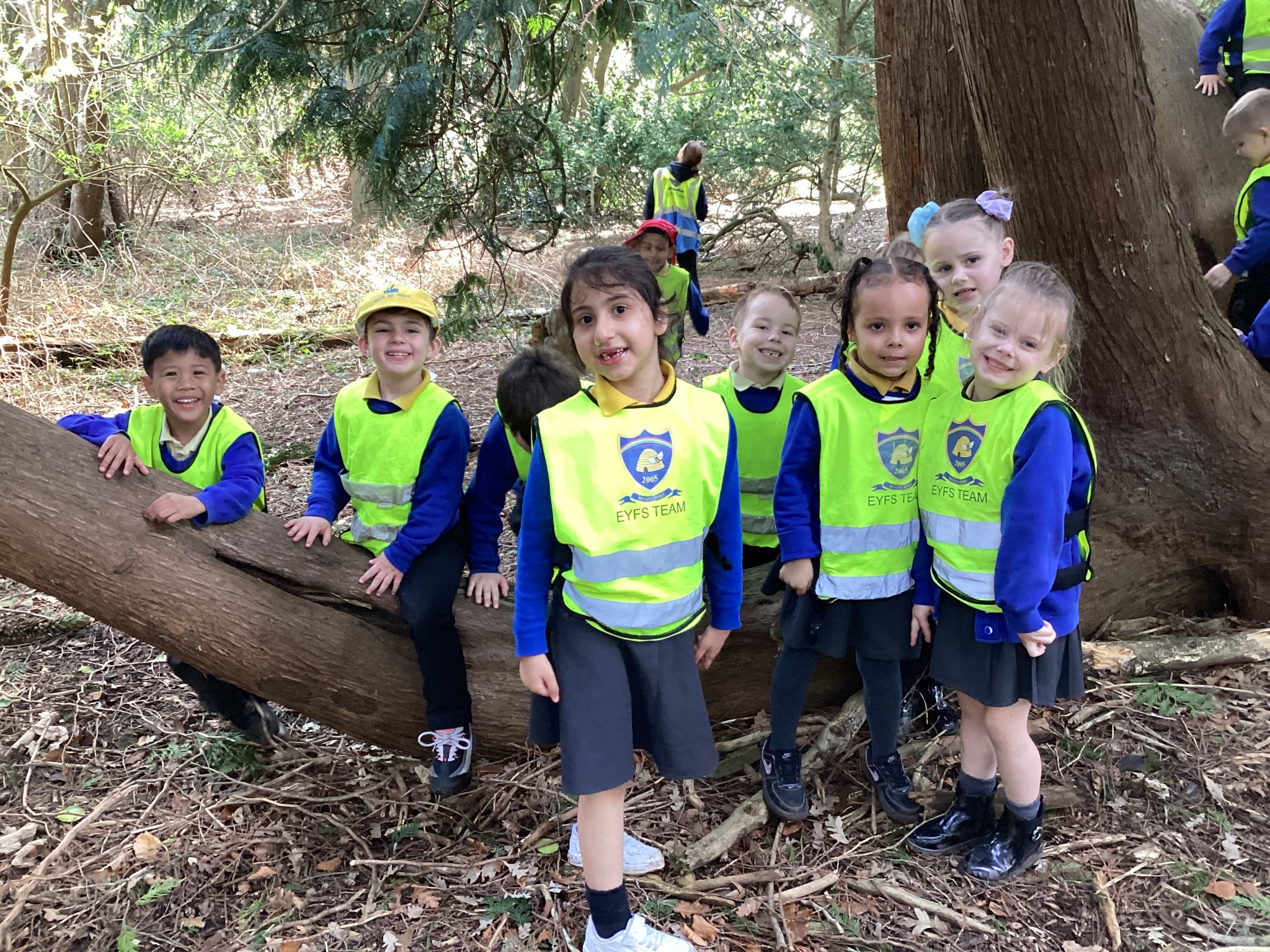
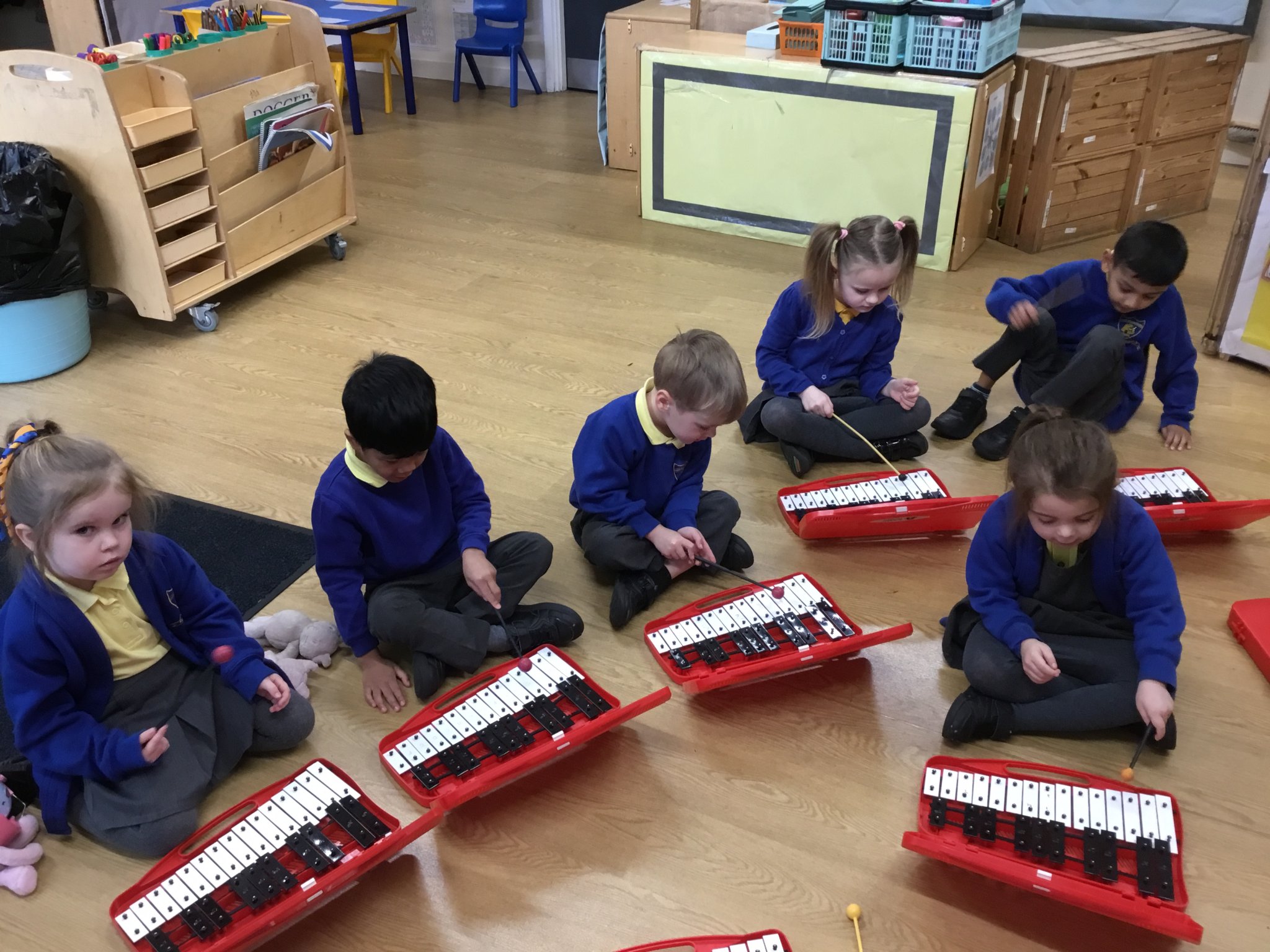
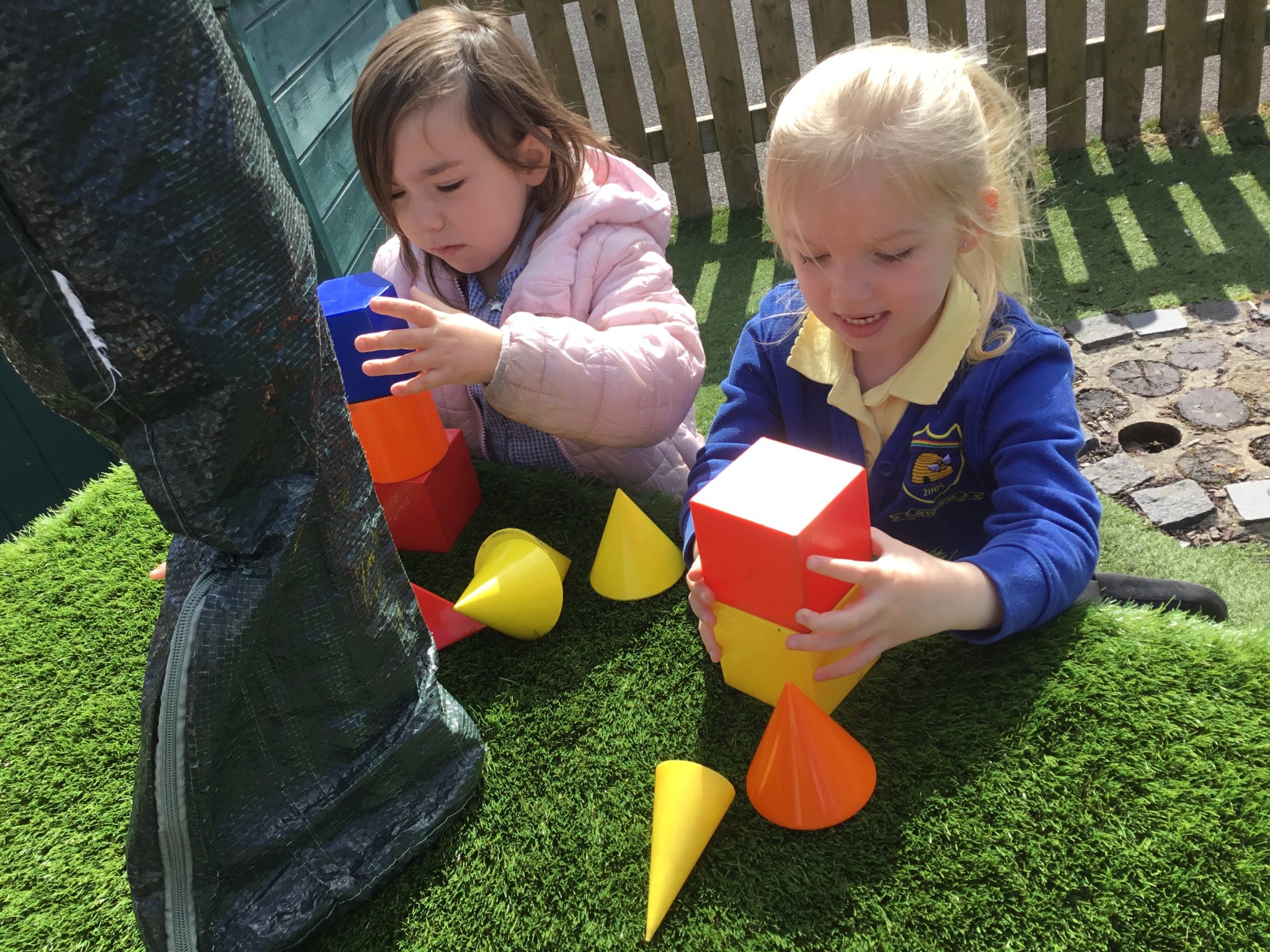
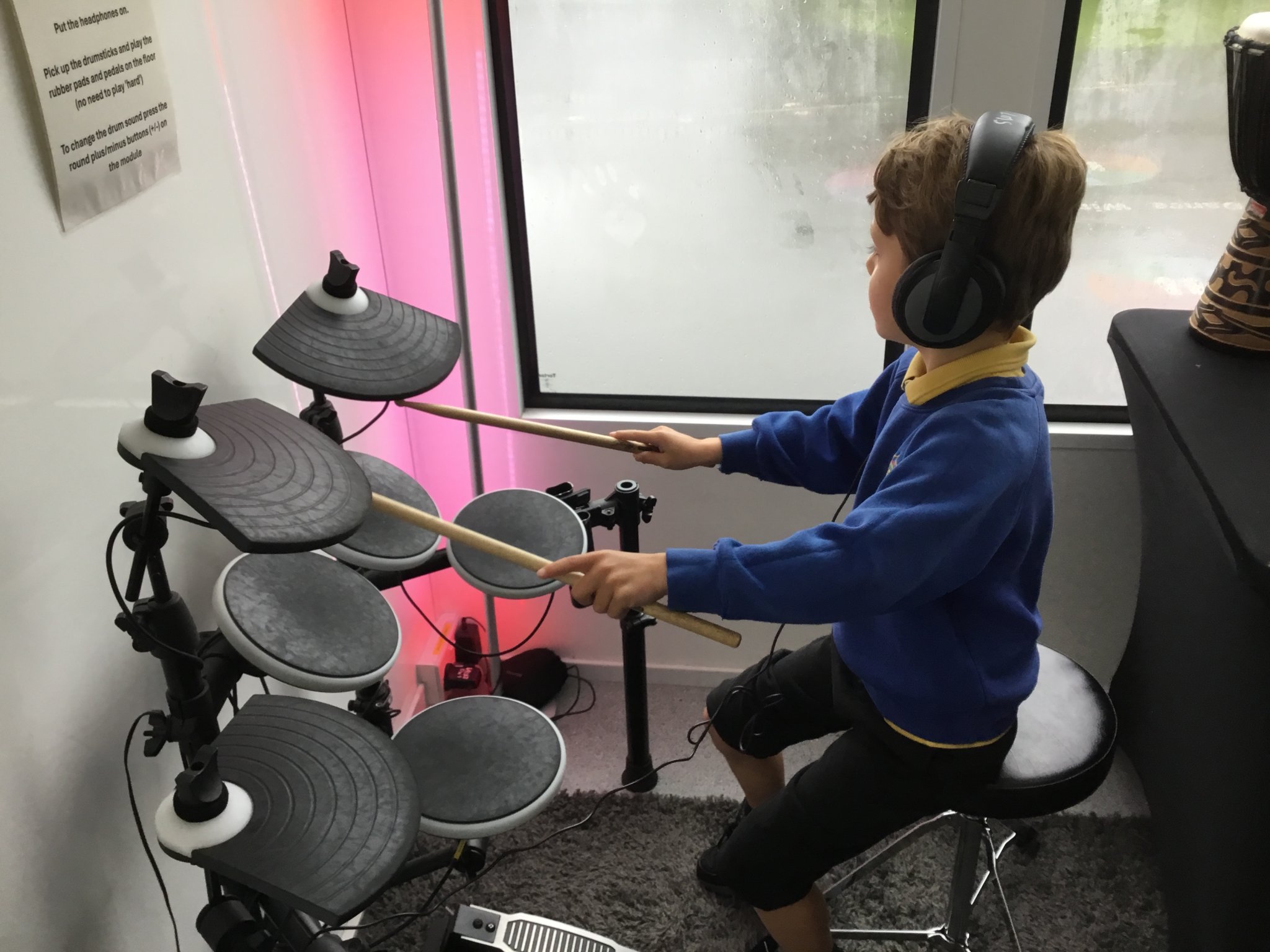
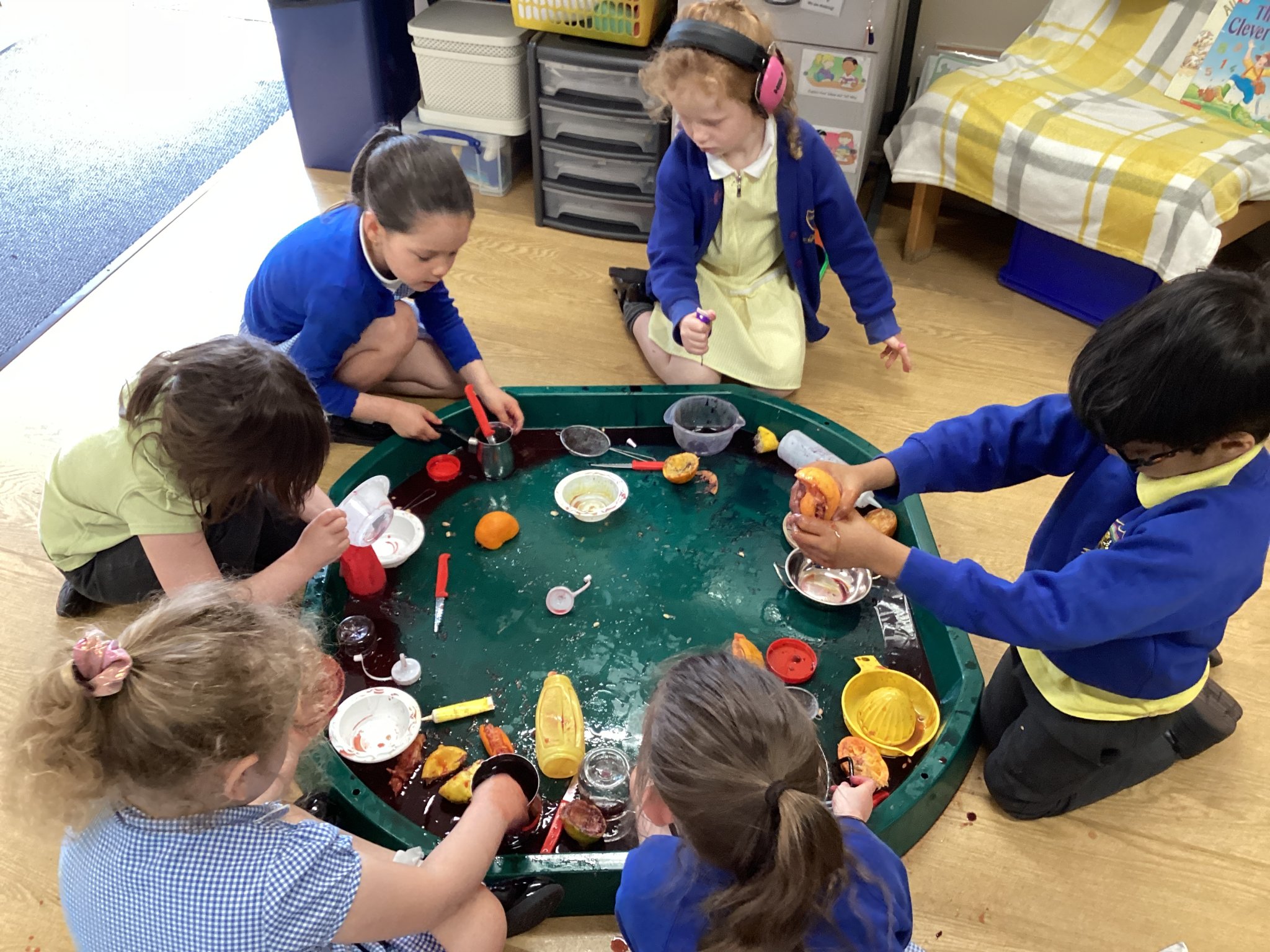
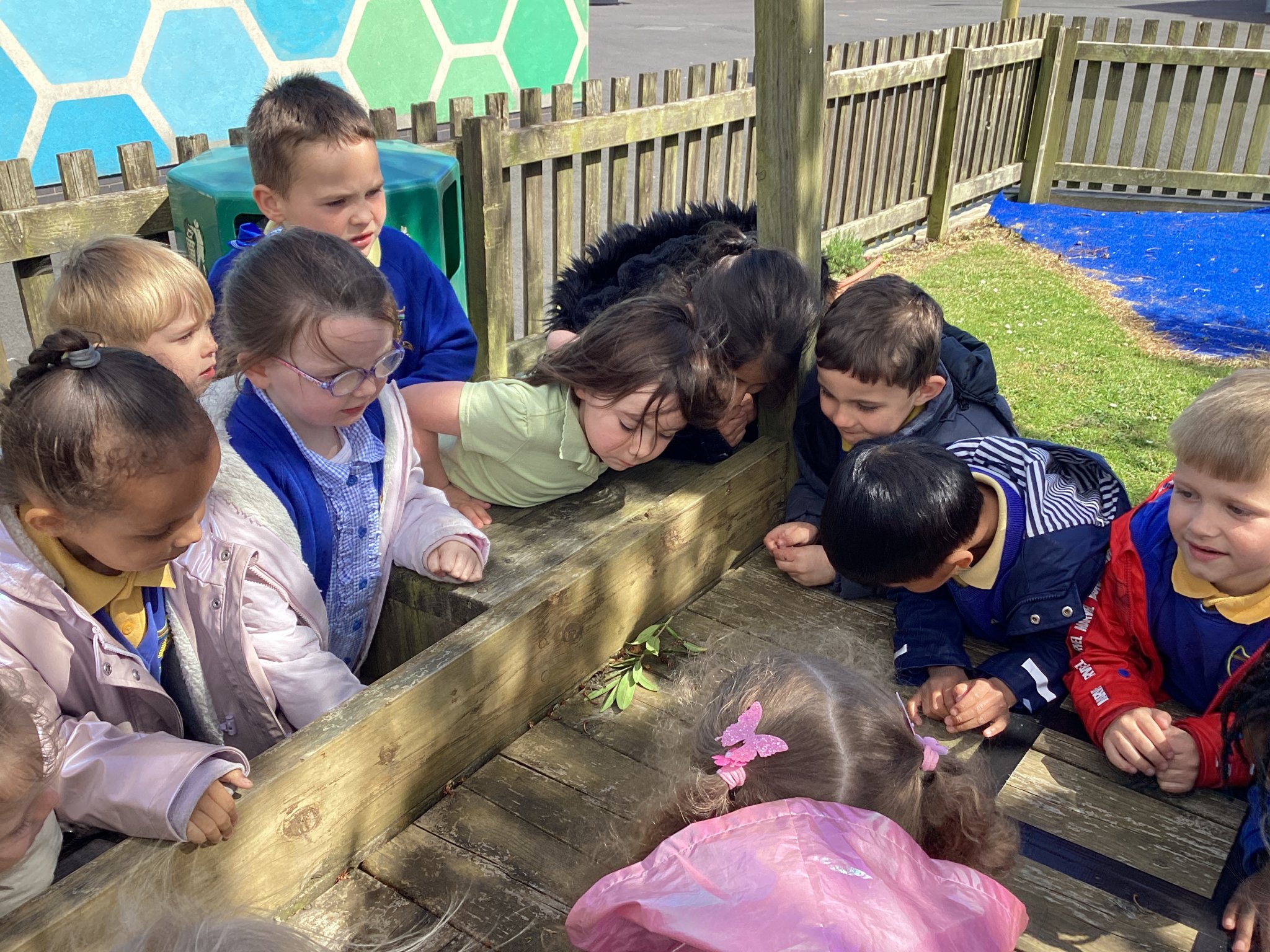
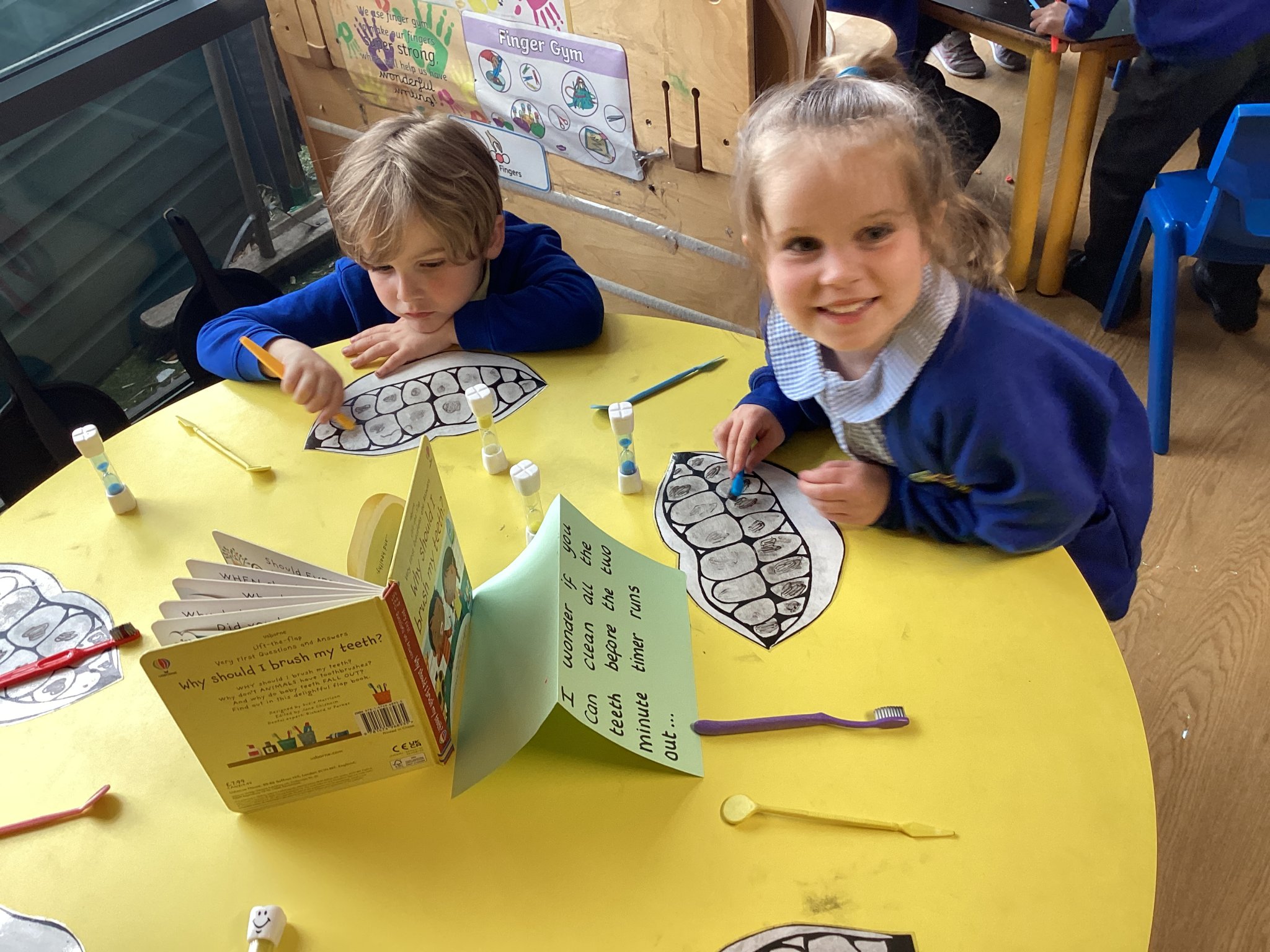
- Creating a rich and stimulating environment, indoors and outdoors, so that children can choose their own play and activities;
- Joining in with children’s play when appropriate, and sensitively introducing challenges and new ideas;
- Setting challenges for children in a sensitive way and allowing them to find their own solutions to problems;
- Showing children how to do things (modelling) and explaining how to do things;
- Encouraging children to collaborate and learn from each other;
- Guiding children’s learning in a playful way;
- Discussing ideas with children, using skilful questioning and challenging their thinking to help them clarify their understanding of ideas;
- Commenting on what children are doing; sustained shared thinking is used to facilitate this with 1 question to 4 comments.
- Directly teaching children a new skill, concept or an important piece of information;
- Using ICT to support children’s learning, using the approaches set out above; and
- Scaffolding.
'Learning Landscape' is a term we use to describe our indoor and outdoor environments and focuses on the 8L's.
Landscape (this is open-ended and based on skills linked to our learning ladders). Children are given the choice and freedom to follow their own imaginations.
Lens (we see the children). Are they creative? Are they collaborative? Do they have innate curiosity? Are they confident?
Look, listen, learn (not interacting straight away; making space to let the children show us who they are).
Language, link up, let go (then we co-play – go in with first steps of language, talk, and conversation). We go into their world; we allow the children to lead. Then we glide away and repeat in another area of our landscape.
Our effective learning landscapes are open-ended, accessible, flexible, large-scale, and skills-driven. Our landscapes offer an index of possibilities. They enable the children to bring their magic with them into the environment and shape it. We believe this pedagogy allows our children to find joy, and for us, childhood should be consumed with such happiness.
We pride ourselves on our reflective nature and our environments change and adapt in response to children's interests, observations, and changing cohorts.
Routines are crucial for supporting behaviour and give our children a feeling of security – they know what will happen while they are with us. A daily routine is embedded within our EYFS classrooms. The routine followed in Preschool and Reception will differ to take account of the stages of learning but consistent language is used from the outset, enabling smooth transitions.
Assessment
We believe that spending time with the children is the most important aspect of assessment. Being in tune with children, playing alongside them and working in small groups with them ensures a well-rounded overview of not only their academic abilities but their personality, likes and dislikes. With this in mind, formal assessments are only conducted when they have a purpose. All children on entry to Reception are baselined using the government designed RBA to ascertain a broad starting point. Transition documents are carefully reviewed and key starting points ascertained; from these practitioners plan next steps for learning which will guide planning, routines and resources.
Assessment is about individual children and their learning. It’s about knowing which children are getting on well so that they can continue to be challenged and stimulated. When a child is at risk of poor progress, barriers to learning are explored and addressed. [see Reducing Barriers Document] The ethos of our early years provision is that no child is left behind, therefore, skills and knowledge are repeated over and over to ensure they are retained in the children’s long-term memory.
In the few cases where careful assessment can’t pinpoint a child’s barrier to learning, the graduated approach is used and, following this, a referral may be made to the appropriate specialist service. This is done alongside parents and we work together to achieve the best outcome for the child.
Practitioners know broadly where children should be at throughout their EYFS journey because of the carefully planned curriculum offer. Formative assessments are ongoing and identify when children are at risk of poor progress. A summative Early Years Foundation Stage Profile assessment is completed as children leave Reception enabling a smooth transition to Year 1.
Each term the adults assess the children’s level of knowledge against the curriculum that has been taught across all areas. These inform future planning and enable GLD predictions to be made and identify children who may need extra support in specific areas of learning.
Impact
Our children make excellent progress throughout their time in the Early Years Foundation Stage because of the high-quality, rich and stimulating experiences they are immersed in.
Our bespoke, ambitious, sequential curriculum is built upon a progress model. Our assessments focus on the key milestones in that model. We are sure that children are secure in what they know and can do before introducing them to something new.
Our curriculum ensures all children have experiences and opportunities to acquire the essential knowledge which will prepare them for future success. Most importantly, children are happy and joy is evident in our EYFS environments.